Oakland Park Single Family vs Townhome: Which Is Right?
May 28, 2026
May 28, 2026
Wondering whether a single-family home or a townhome makes more sense in Oakland Park? You are not alone. In a market where both options are widely available and price ranges overlap more than many buyers expect, the right choice often comes down to how you want to live, what you want to spend each month, and how much flexibility you want down the road. Let’s break it down.
Oakland Park is a compact city of about 8 square miles with 31 neighborhoods, and many of those neighborhoods include active homeowner or condominium associations. That matters because your decision is not just about the home itself. It is also about the block, the community rules, and the monthly cost structure tied to that property.
Market data points to a local market centered roughly in the high-$300,000s to low-$400,000s. As of spring 2026, Zillow reports an average home value of $370,952 and a median sale price of $375,000, while Redfin reports a March 2026 median sale price of $425,000 and median days on market of 83.
Inventory also shows that both property types are meaningful parts of the market. Current portal pages show about 160 single-family homes and roughly 28 to 31 townhomes for sale, depending on the source. In other words, you likely will have real choices in both categories.
A lot of buyers assume townhomes are always the more affordable option. In Oakland Park, that is not automatically true. Current listings show townhomes from about $385,000 to $926,160, with many clustered between roughly $399,000 and $653,000.
Single-family homes currently range from about $374,000 to $2.2 million. That wide spread gives you both lower-entry opportunities and high-end detached options. It also means detached homes are not always out of reach, especially if your search is focused more on function than luxury finishes.
Redfin’s townhome tracker shows townhouses for sale at a median listing price of $590,000. That is above the broader citywide median sale figures, which suggests many townhomes may reflect newer construction, location, or amenity packages.
List price is only part of the story. In Oakland Park, HOA fees can vary a lot, and those fees can change the true cost of ownership more than buyers expect.
Current examples show a fee-simple townhome advertised with a $150 monthly HOA fee. Other townhomes in South Oakland Forest list HOA fees of $543 or $590 per month, with coverage that can include items like cable, internet, full reserves, master insurance, sewer, garbage, pool access, fitness center, lawn care, pest control, and exterior lighting.
That range matters. A higher-fee townhome may still be a smart fit if it replaces services you would otherwise pay for separately. On the other hand, a lower-fee property may give you more control, but you may also be taking on more direct maintenance costs yourself.
Single-family homes are not always HOA-free either. In Oak Tree, which includes both townhome and single-family designs, current detached listings show HOA dues of $85 per month, $125 per month, or $1,179 quarterly depending on the home and fee structure.
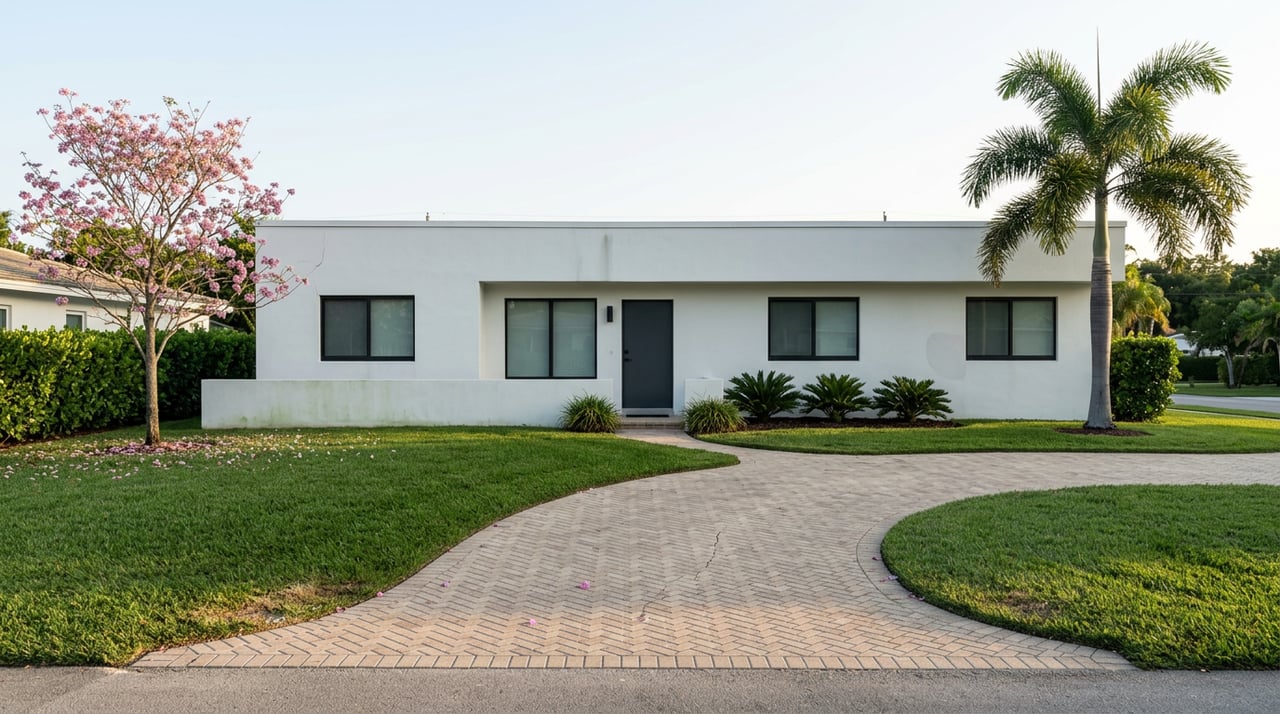
If privacy is high on your list, a single-family home usually has the edge. You are less likely to share walls, and you often get more separation from neighbors. For many buyers, that alone can make day-to-day living feel more comfortable.
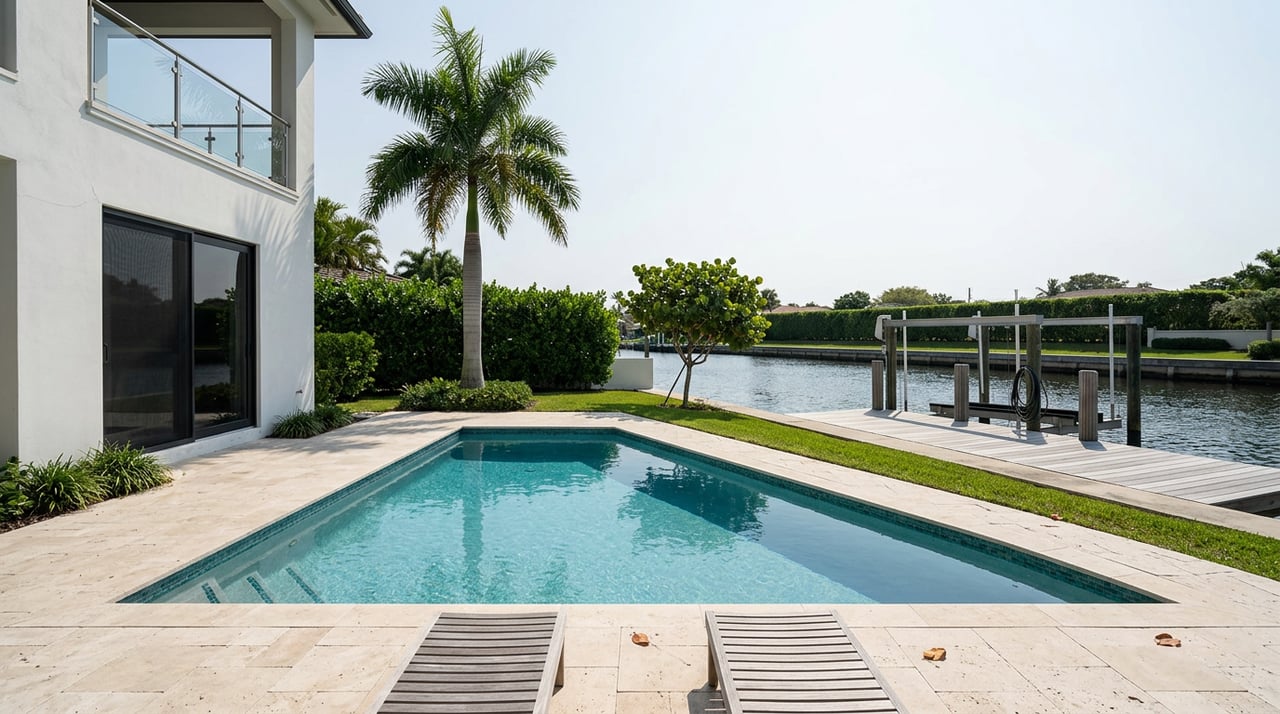
You may also get more yard control. If you want outdoor space for pets, gardening, entertaining, or simply more breathing room, detached homes often offer better options. That can be especially important if your long-term vision includes a pool, expanded patio, or future exterior improvements.
Flexibility is another big advantage. Oakland Park’s zoning guide shows how townhomes are structured as attached units with common walls, while residential development standards use setbacks, lot coverage, and landscaped-area rules to shape neighborhood form. In practical terms, a detached lot usually gives you more room for exterior changes than an attached property in an HOA-controlled setting.
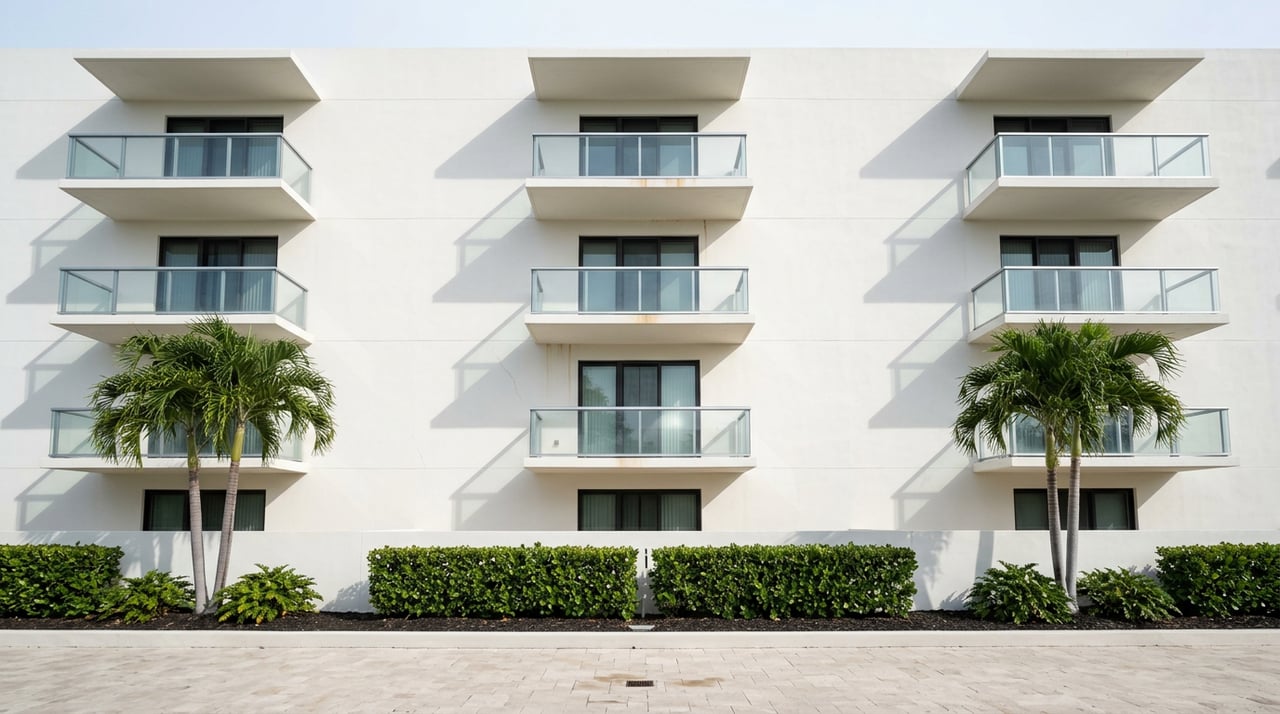
Townhomes can work well if you want a more streamlined ownership experience. Shared exterior responsibilities and HOA-managed services can reduce the amount of maintenance you handle yourself. If convenience matters, that can be a real benefit.
Townhomes may also offer access to amenities that would be expensive to maintain on your own. Depending on the community, that can include pools, fitness areas, internet or cable packages, and exterior upkeep. For some buyers, those built-in features make a townhome feel like a strong lifestyle value.
They can also fit buyers who want newer construction or a more predictable monthly maintenance setup. That does not always mean a lower overall payment, but it can make budgeting feel more straightforward when compared with handling every repair and service separately.
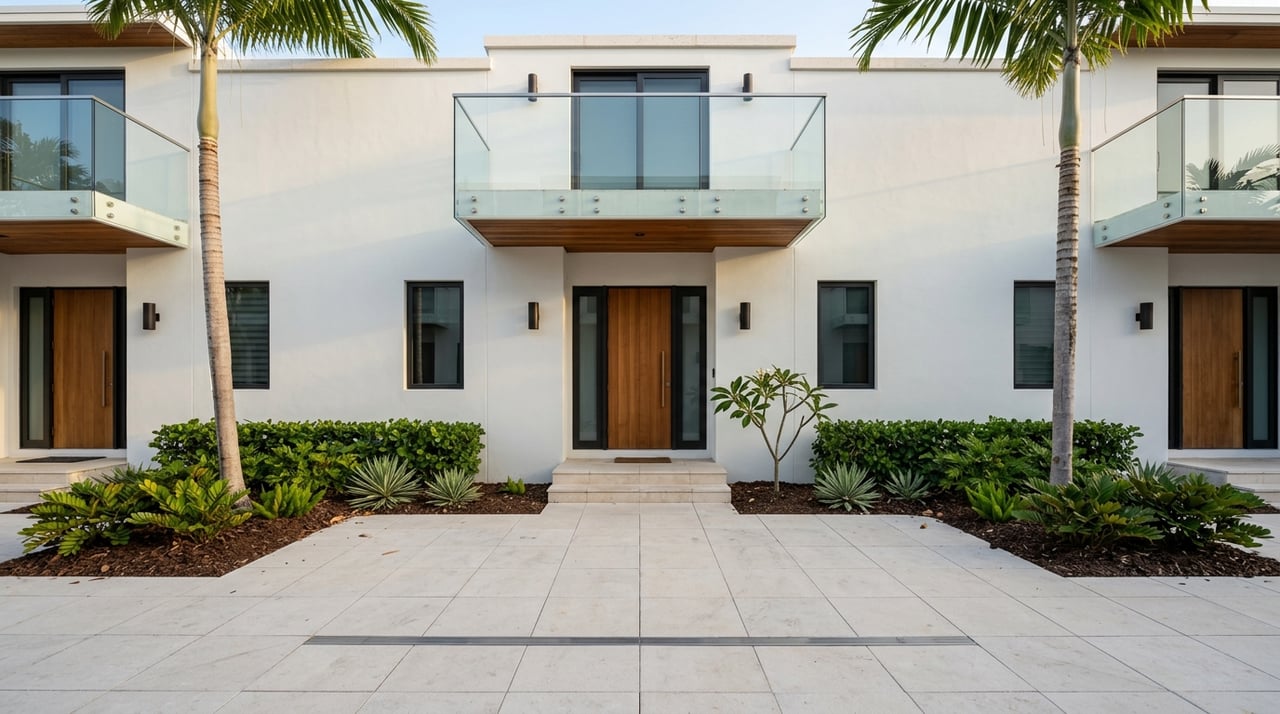
Oakland Park’s zoning guide defines townhomes as attached units joined side-to-side by a common party wall or garage, with each unit having its own outside entrance. That layout can be efficient, but it also creates a different living experience than a detached home.
If you are sensitive to noise, value separation, or simply prefer more control over your lot, a single-family home often checks more boxes. If you care more about easier upkeep and less exterior responsibility, a townhome may feel like the better tradeoff.
Neither option is automatically better. The right answer depends on whether you place more value on independence or convenience.
One of the biggest mistakes buyers make is comparing only by property type. In Oakland Park, the better comparison is often property type plus neighborhood plus HOA.
The city map and association list show a mix of attached and detached housing across places like Main Street Town Homes HOA, Riverwood Cove, Cambridge Park, Isles of Oakland Park HOA, Oak Tree Estates, and Summer Lake Single Family Homes HOA, along with neighborhoods such as Royal Palm Acres, North Andrews Gardens, Oakland Forest, and Lloyd Estates.
That mix is important because two homes with similar square footage can feel very different depending on community rules, shared amenities, and fee structure. A townhome in one HOA may offer a lean setup with lower dues, while another may operate more like a full-service community. The same goes for detached homes.
If you want a local example of how these categories can overlap, Oak Tree is a helpful one. Its official HOA site describes a gated community with both townhome and single-family designs, plus resort-style amenities and access to I-95, the Turnpike, shopping, and dining.
That makes it a strong side-by-side comparison for buyers who want newer construction but are still deciding how much privacy and lot control they want. In a community like this, your decision may come down less to location and more to lifestyle fit.
No one can promise future appreciation, but local redevelopment can offer useful context. Oakland Park’s Community Redevelopment Area covers 1,009 acres and is intended to encourage reinvestment and increase attainable housing options. The Horizon project alone is expected to add 311 residential units.
The CRA plan also describes townhomes as a common new-development form in the area. A practical local takeaway is that townhomes may benefit from downtown infill and demand for more attainable ownership options, while detached homes may benefit from lot scarcity and the ability to customize in more established neighborhoods.
That does not mean one path is always stronger. It means your long-term value may depend on where in Oakland Park you buy and what kind of buyer demand that specific area attracts over time.
If you are still torn, use a simple framework. Lean toward a single-family home if your top priorities are:
Lean toward a townhome if your top priorities are:
Then go one step further and compare the real carrying costs. Before you decide, review:
In Oakland Park, these details can swing affordability and lifestyle more than the label on the listing.
Choosing between a single-family home and a townhome is not about picking the "better" property type. It is about choosing the setup that fits your budget, routines, and plans for the next several years.
If you want more room to spread out and shape the property over time, a detached home may serve you better. If you want a simpler ownership experience with shared maintenance and possible amenities, a townhome could be the smarter move.
A local, neighborhood-level review can make that choice much clearer. If you want help comparing Oakland Park options block by block, HOA by HOA, reach out to Matthew Heinz for a free consultation.
Stay up to date on the latest real estate trends.
Get assistance in determining current property value, crafting a competitive offer, writing and negotiating a contract, and much more. Contact him today.