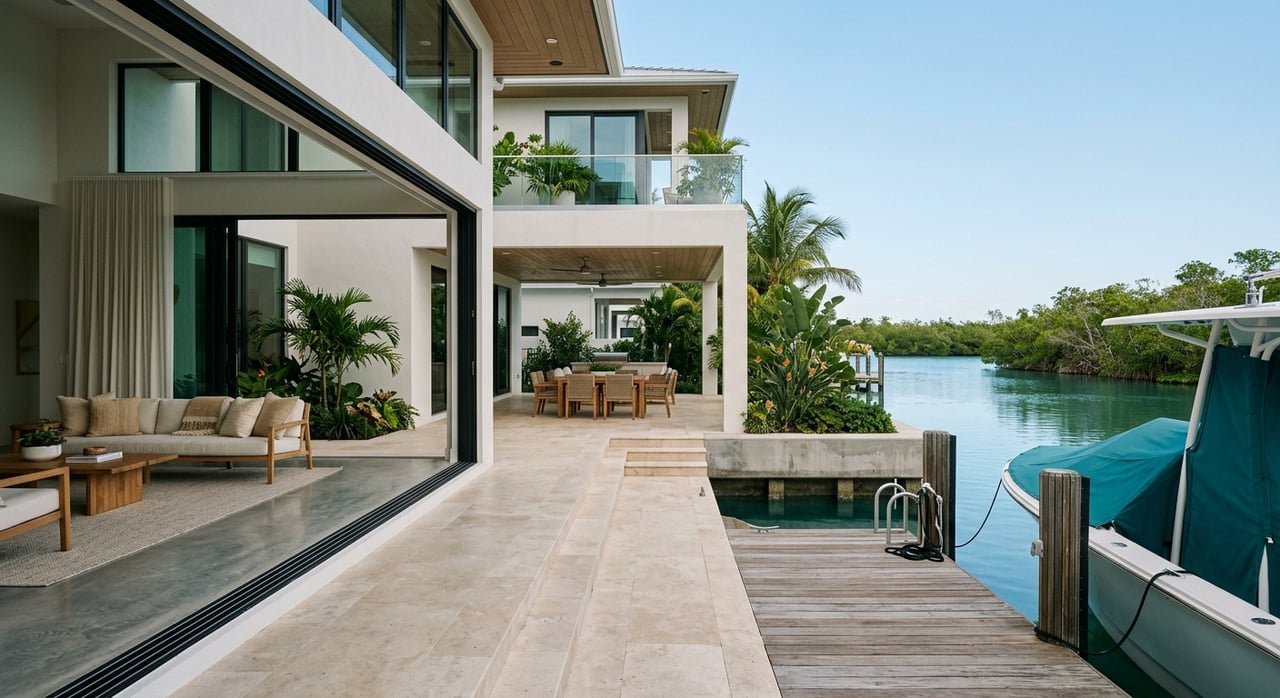
Understanding the Lighthouse Point Waterfront Lifestyle
May 7, 2026
May 7, 2026
Dreaming of waterfront living in Lighthouse Point? It helps to know that this is not a typical beach-town search. Here, the waterfront lifestyle is shaped by canals, docks, bridge routes, and boating access, not long stretches of oceanfront homes. If you want to buy with confidence, understanding how the city’s waterways, housing stock, and ownership realities work can save you time, money, and stress. Let’s dive in.
Lighthouse Point is a compact, water-oriented city with a small-town feel and a leisurely pace. City materials describe a community where many homes sit along 18 miles of waterways, and about 80% of residences are single-family homes.
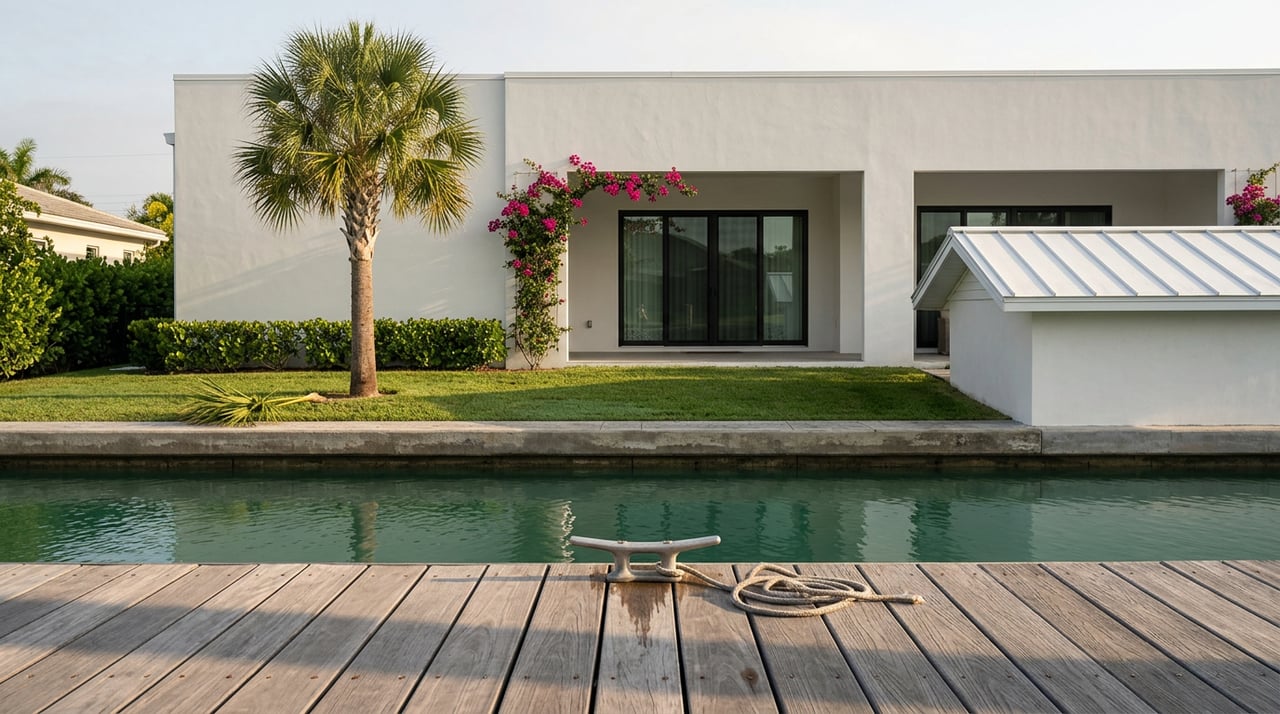
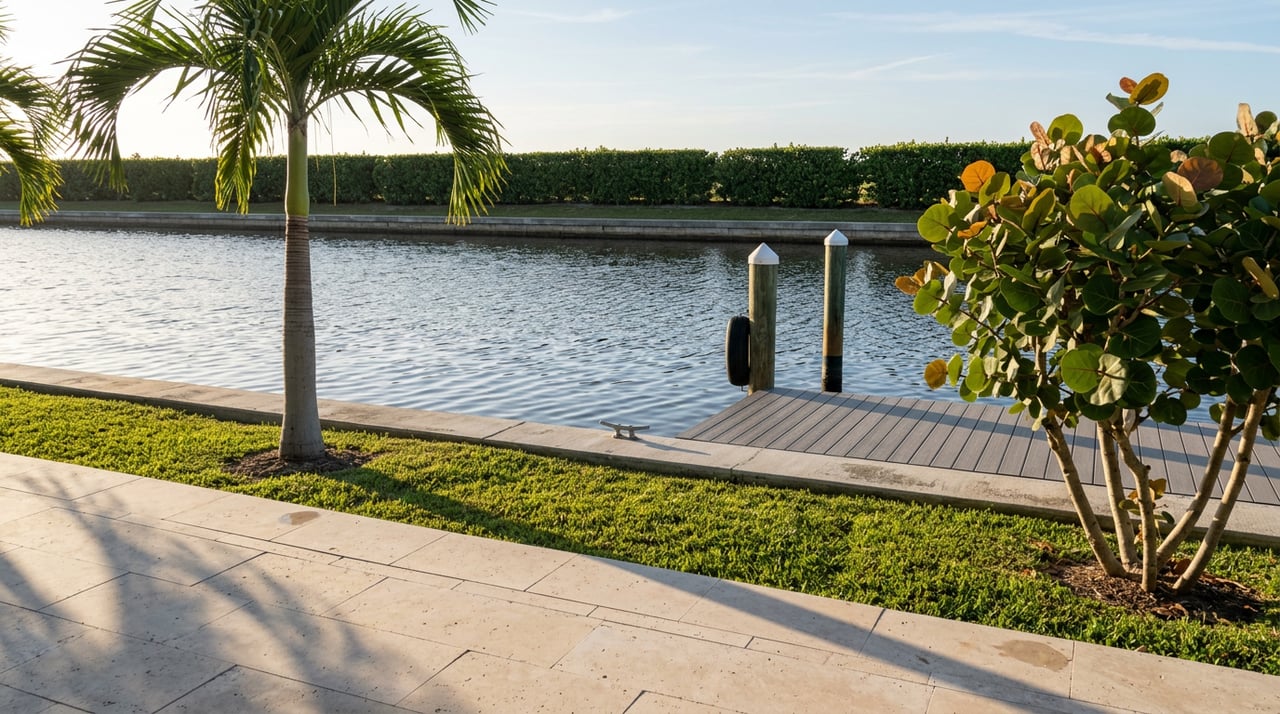
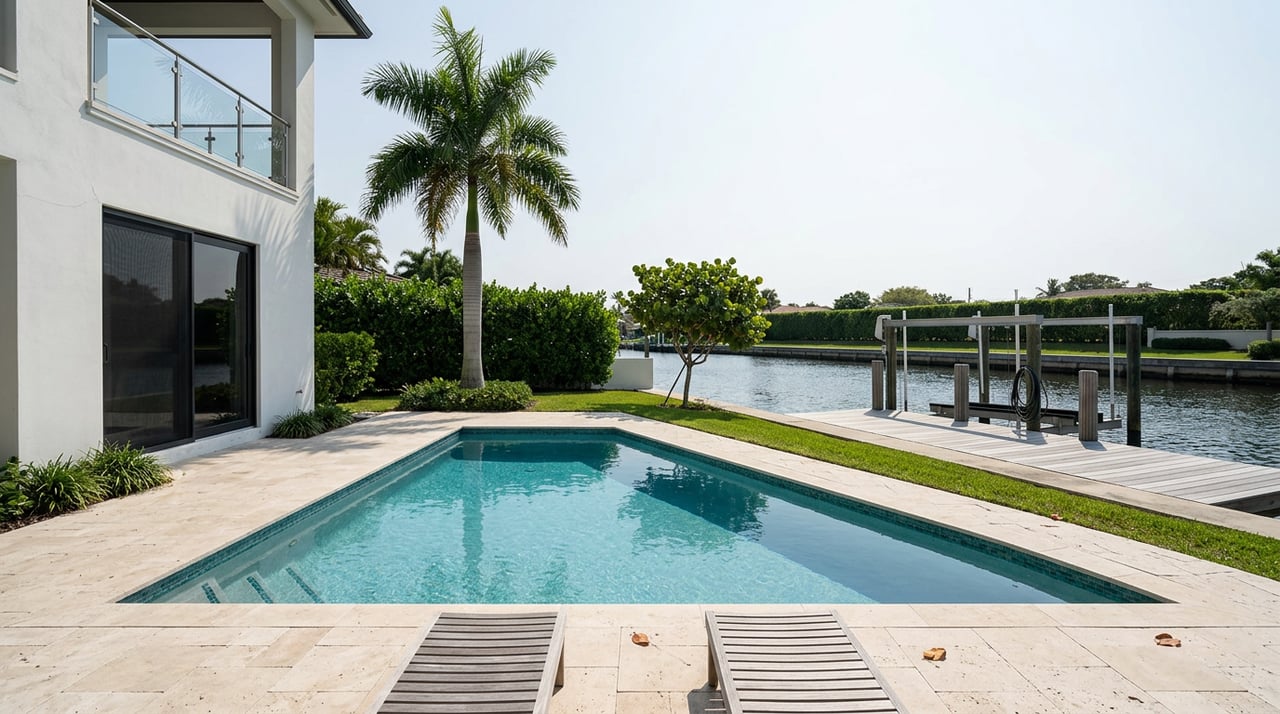
That distinction matters when you start your home search. In Lighthouse Point, waterfront living is mostly about canal-front or Intracoastal-connected properties rather than beachfront homes. The local experience is built around man-made, bulkheaded canals and access points that connect to the Intracoastal Waterway and, ultimately, Hillsboro Inlet.
One of the biggest things to know is that Lighthouse Point is mostly built out. The city’s comprehensive plan says there are no major opportunities for expansion, which means most waterfront buyers are choosing from existing homes, renovated properties, or select redevelopment opportunities.
That gives the area a more established feel. You are not shopping in a brand-new master-planned waterfront community. Instead, you are comparing lot positions, canal layouts, dock setups, and the condition of improvements like seawalls and lifts.
Lighthouse Point’s early development dates back to the late 1940s, with many subdivisions taking shape in the 1950s and 1960s. As a result, the housing stock tends to be a mix of older homes, updated residences, and newer replacements on established lots.
For most buyers, the key feature is not one dominant architectural style. It is the relationship between the home and the water. Canal frontage, dock placement, seawall condition, and boat access often have more impact on day-to-day value than whether a home is mid-century, transitional, or contemporary.
If boating is part of your lifestyle, start there. In Lighthouse Point, the right home often depends on how well the property fits your boat and your preferred route to open water.
Before you fall in love with a kitchen or backyard, ask practical questions like:
These questions can quickly narrow your search in a smart way.
Route planning is a real part of waterfront ownership here. NOAA’s Coast Pilot notes that the A1A bridge across Hillsboro Inlet has a 13-foot clearance, which can affect larger vessels.
That does not mean boating is difficult, but it does mean you should confirm your route before you buy. Depending on your boat height and where the property sits within the canal system, bridge timing and navigation may be part of your normal routine.
Not all waterfront lots function the same way. Some homes may sit on wider waterways that feel easier for turning and navigation, while others may be on tighter finger canals where docking takes more attention.
This is one reason a local, property-specific review matters so much. Two homes can both be called waterfront, but their usability can feel very different depending on canal width, turning room, and access to the Intracoastal.
In Lighthouse Point, waterfront improvements are not casual add-ons. The city requires permits and inspections for docks, seawalls, and boat lifts, and waterfront additions or new construction may require extra documentation, including engineer letters about seawall condition.
That means these features deserve real scrutiny during your search. A beautiful dock setup can be a major plus, but you still want to know its age, condition, permitting history, and whether any updates may be needed.
Permitting affects both current use and future plans. If you are considering a home because you want to expand the dock, replace a lift, renovate the house, or build new, the city’s review process should be part of your decision.
The city’s checklist for docks and seawalls also calls for updated dock or seawall surveys before final inspection. In practical terms, that means future improvements can involve more time, documentation, and coordination than buyers sometimes expect.
Waterfront living comes with added responsibility, and flood awareness is part of that. The city says Lighthouse Point is flood-prone and encourages property owners and buyers to pay close attention to flood insurance, FEMA flood maps, and elevation certificates.
If you are comparing homes, ask whether the property already has flood insurance and whether an elevation certificate is available. Those details can help you better understand ownership costs and the property’s readiness for financing and insurance review.
If you are considering a teardown or major redevelopment opportunity, flood compliance becomes even more important. The city’s comprehensive plan says minimum floor elevations for new development must meet FEMA standards or a higher standard where required.
That makes redevelopment possible, but not simple. In a built-out city like Lighthouse Point, the feasibility of a project often depends on zoning, permitting, waterfront improvements, and elevation requirements working together.
Another local reality is canal maintenance. In a 2023 dredging request, the city noted that maintenance dredging was being planned based on a 2022 survey of all city canals, and that fixed bridges and limited staging areas could require both mechanical and hydraulic dredging.
For owners and buyers, the takeaway is straightforward. Canal depth and maintenance are active issues, and boating traffic may be disrupted during dredging work. That does not make waterfront ownership less appealing, but it does mean water access is part lifestyle and part infrastructure.
Bridge infrastructure is also an active topic in Lighthouse Point. In June 2024, the city adopted a Bridge Replacement Master Plan, with the Sample Road Bridge and NE 31st Court Bridge listed as top priorities.
The city says the Sample Road Bridge, originally built in 1958, is a hurricane evacuation route, and its design and permitting phase is fully funded with an estimated completion date of June 2026. If easy access and commuting routes matter to you, this is the kind of local detail worth tracking.
Owning on the water is about more than the home itself. It also means caring for the systems around it, including drainage, seawalls, docks, and how your property interacts with the canal.
The city notes that stormwater from roofs, lawns, streets, and paved surfaces eventually flows into local waterways. That is why debris control and careful fertilizer use are not just good habits. They are part of responsible waterfront ownership in Lighthouse Point.
When you tour homes, it helps to look beyond finishes and staging. A strong waterfront purchase usually comes down to how well the property supports the lifestyle you want and what level of maintenance you are comfortable taking on.
Use this simple checklist as you compare options:
Because Lighthouse Point is built out, every waterfront property tends to have its own mix of strengths, trade-offs, and future considerations. Two homes with similar price points can offer very different boating convenience, maintenance needs, and long-term flexibility.
That is where local guidance makes a real difference. A consultative approach helps you look past surface-level appeal and focus on the details that shape everyday ownership, resale potential, and confidence in your decision.
If you are thinking about buying or selling a waterfront home in Lighthouse Point, working with a local expert can help you evaluate the property, the canal, and the ownership picture more clearly. For personalized guidance, connect with Matthew Heinz.
Stay up to date on the latest real estate trends.
Get assistance in determining current property value, crafting a competitive offer, writing and negotiating a contract, and much more. Contact him today.