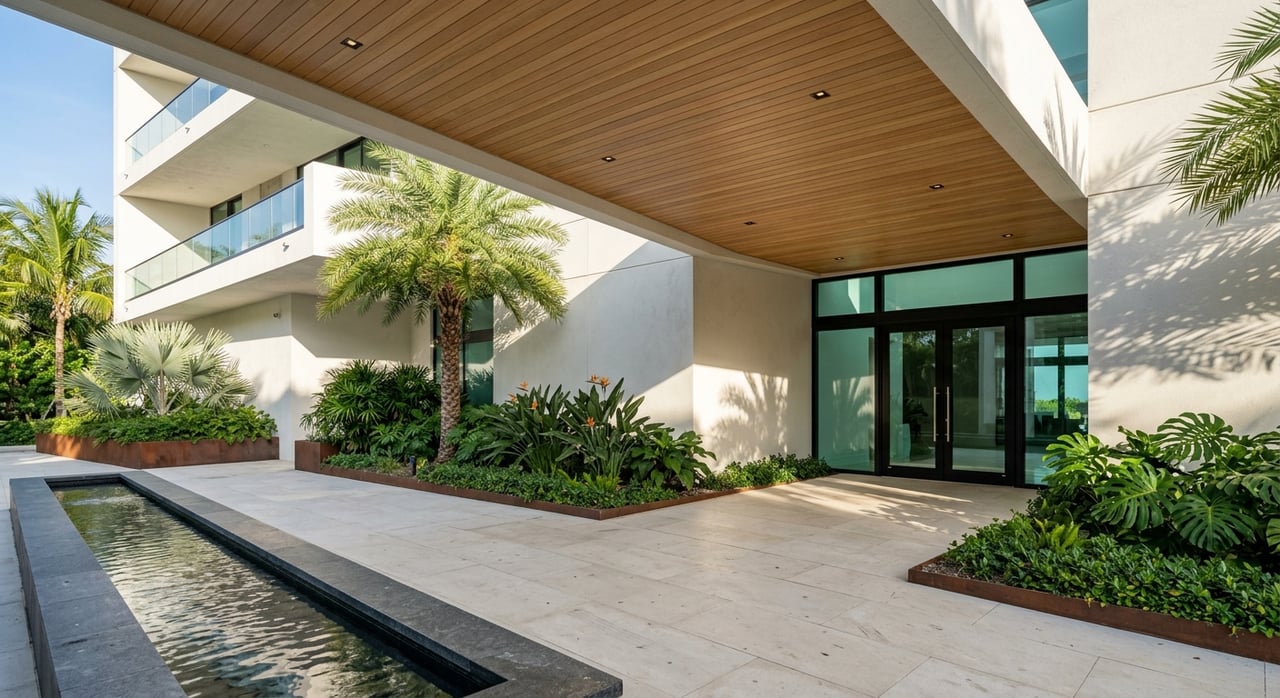
Beach or Inland? Exploring Pompano Beach Neighborhoods Lifestyle
April 23, 2026
April 23, 2026
Wondering whether daily life in Pompano Beach feels better by the ocean or farther inland? That choice can shape how you spend your mornings, handle errands, get around town, and enjoy your weekends. If you are trying to decide where you might feel most at home, this guide will help you compare the real lifestyle differences between beachfront and inland neighborhoods in Pompano Beach. Let’s dive in.
Pompano Beach offers two distinct everyday experiences. Along the shoreline and east side, neighborhoods such as Hillsboro Shores, Harbor Village, Old Pompano, Beach, Santa Barbara Estates, Snug Harbor, Santa Barbara Shores, and Garden Isles sit closer to the coast on the city’s official neighborhood map. Inland neighborhoods include Leisureville, Palm Aire, Cresthaven, Kendall Green, Northwest Pompano, Cypress Bend, and Pompano Airpark.
At a high level, the beachfront side tends to feel more walkable, social, and visitor-oriented. Inland areas often feel more residential and practical, with daily life centered more around commuting routes, parks, and downtown access.
If you picture stepping outside and heading straight to the water, the beachfront lifestyle will likely stand out to you. The city says the public beach is open 365 days a year, with lifeguards seven days a week, plus restrooms, showers, picnic tables, barbecue grills, and a playground.
That setup makes the beach feel less like a weekend destination and more like part of your routine. You can build a day around a walk near the ocean, a stop at the pier, or a quick outdoor break without needing much planning.
The city’s Beach Core District adds to that convenience with wide sidewalks, public art, a great lawn, an interactive water feature, retail, restaurants, outdoor cafes, a library, playgrounds, picnic shelters, and an open-air gym. In practical terms, that means many day-to-day activities happen in a compact area.
For some buyers, that compact layout is the biggest draw. You may be able to walk to dining, enjoy public spaces more often, and spend less time getting in and out of your car.
The beachfront also has a stronger entertainment and dining presence than many inland blocks. The Beach Block area is described as a small seaside village with independent businesses, while the nearby Fishing Village includes a cluster of waterfront restaurants and nightlife spots.
That creates a more active atmosphere, especially in the evenings and on weekends. If you enjoy having restaurants, outdoor cafes, and beach activity close by, that rhythm may fit your lifestyle well.
One of the more practical benefits of beachfront living is that it can support a more car-light routine. The Pompano Circuit shuttle serves the beachfront, Fishing Pier, Harbor Pier, beach hotels, downtown shopping, and restaurants.
The city’s beach page also points to the Water Taxi and the free Circuit shuttle as transportation options. If you want to stay connected to the coast, dining, and entertainment without driving everywhere, the beach side gives you more tools to do that.
Even with walkability and shuttle options, parking is still part of beach life. According to the city’s beach parking information, residents and visitors may use the Pier Parking Garage, metered parking near Atlantic and Pompano Beach boulevards, and some street parking, with 24/7 parking enforcement.
That does not mean beachfront living is difficult. It simply means your daily routine may involve a little more awareness around parking, busy times, and visitor traffic than it would in a more residential inland setting.
If you prefer a more neighborhood-centered routine, inland Pompano Beach may feel like a better fit. Daily life inland often revolves around residential streets, commuter access, parks, and a growing downtown district rather than the beach itself.
That does not mean inland living feels disconnected. It simply means the center of gravity shifts from oceanfront activity to everyday convenience and residential scale.
One of the biggest reasons inland Pompano Beach feels more complete today is the city’s evolving downtown. Downtown Pompano Beach is described as a pedestrian-friendly urban district with shopping, restaurants, entertainment, hotels, green space, office space, cultural arts, and improved sidewalks and streets.
The downtown area includes Old Town, Civic Commons, and the Downtown Core, with MLK Boulevard serving as a central corridor between Dixie Highway and I-95. For inland residents, this creates another hub for dining, events, errands, and local activity that does not depend on being near the ocean.
For many people, inland living is easier to organize around work and regional travel. The city notes that Pompano Beach sits directly off I-95, with major exits at Cypress Creek Road, Atlantic Boulevard, and Copans Road, making road access a key part of getting around the area.
Transit options also support that everyday practicality. Tri-Rail’s Pompano Beach Station offers free parking for commuting passengers and connects with Broward County Transit and the city community bus.
Choosing inland does not mean giving up beach access. The same Circuit shuttle network that supports coastal trips also helps connect parts of the city, while the community shuttle is fare-free within city limits.
That matters if you want the beach as part of your lifestyle without paying for a home directly along the shoreline. You can still enjoy the water, dining, and waterfront public spaces while keeping your day-to-day life rooted in a more residential area.
Inland Pompano Beach has a strong recreation story of its own. Official visitor information highlights Pompano Beach Community Park with more than 20 acres, sports fields, pickleball and basketball courts, a baseball complex, an aquatic center, and an amphitheater.
The Air Park Jogging Track adds a 4.4-mile loop for strollers, joggers, and cyclists. If your ideal routine includes sports, outdoor exercise, and broader recreational space, inland neighborhoods may offer a more practical fit.
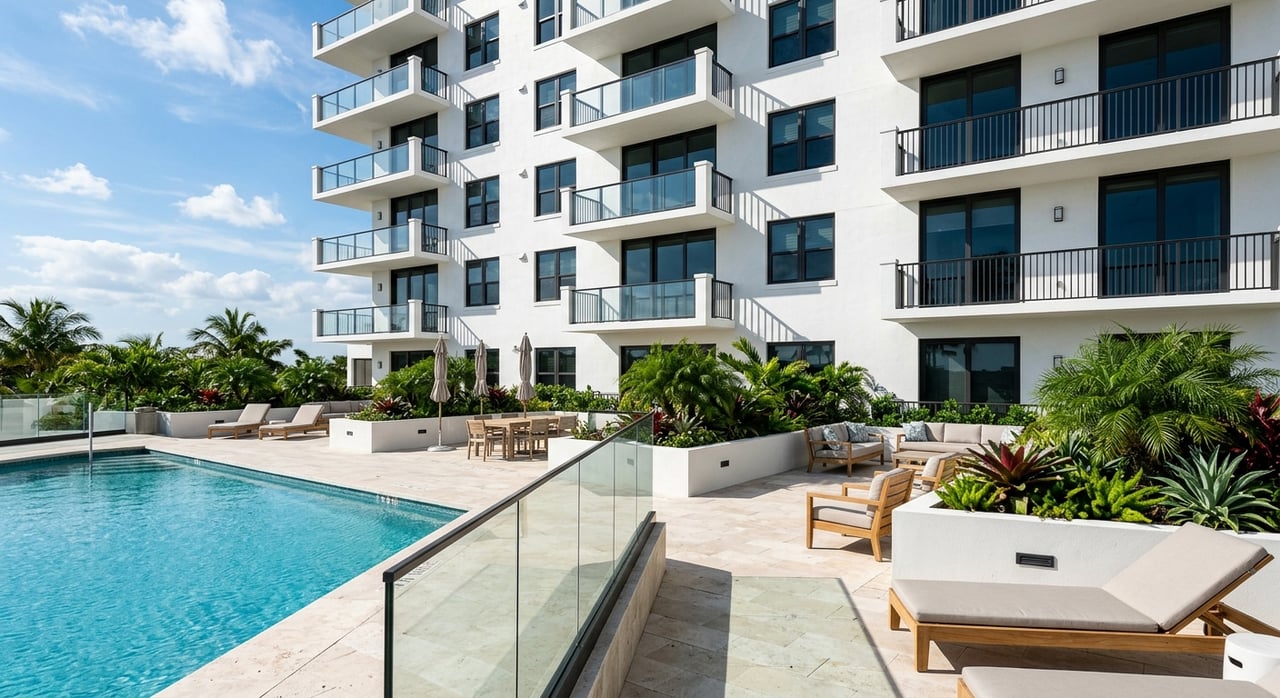
The housing mix is another major difference between beachfront and inland living. In the Beach Core District, the city describes a mix that includes condos, townhomes, and local motels, which helps explain why the oceanfront feels denser and more active.
Inland areas show a wider spread of residential patterns through the city’s zoning structure, including single-family districts, a Leisureville cluster-development district, two-family districts, and multifamily or townhouse districts. The city also notes that much of the newer multifamily growth is being directed toward primary transit corridors while single-family neighborhoods are being preserved through planning policy.
If you are looking for a lock-and-leave lifestyle, lower-maintenance ownership, or a home near the beach activity, the beachfront side may align more closely with your goals. If you want a neighborhood that feels more residential or want to compare a broader range of home types inland, you may find more variety there.
This is one of the reasons a neighborhood-by-neighborhood search matters in Pompano Beach. The city has clear patterns, but your daily experience will still depend on the exact block, building type, and how close you are to roads, parks, downtown, or the water.
One of the most important practical issues to consider in Pompano Beach is flood risk. According to the city’s flood information page, more than 32 percent of buildings are in a special flood hazard area, and the entire city can be considered flood-prone.
Properties east of State Road A1A face greater coastal flood risk because of storm surge. At the same time, inland properties are not automatically flood-free because canals and tidal waterways affect flood behavior across the city.
As you compare beachfront and inland options, it helps to ask practical questions such as:
Those questions can help you focus on how you want to live, not just where a home looks appealing on a map.
Beachfront Pompano Beach often works best if you want the water to shape your routine. You may value walkability, ocean access, dining, public spaces, and a more social environment where leisure and everyday living blend together.
Inland Pompano Beach may be a better match if you want a more residential setting, stronger commuting convenience, easy access to parks and downtown, and a broader mix of housing patterns. Neither option is better across the board. The right fit depends on how you want your normal Tuesday to feel, not just your ideal Saturday.
If you are weighing beachfront versus inland living in Pompano Beach, working with a local advisor can help you compare neighborhoods based on your actual routine, budget, and long-term plans. When you are ready to explore the options, connect with Matthew Heinz for a personalized, consultative look at what fits you best.
Stay up to date on the latest real estate trends.
Get assistance in determining current property value, crafting a competitive offer, writing and negotiating a contract, and much more. Contact him today.