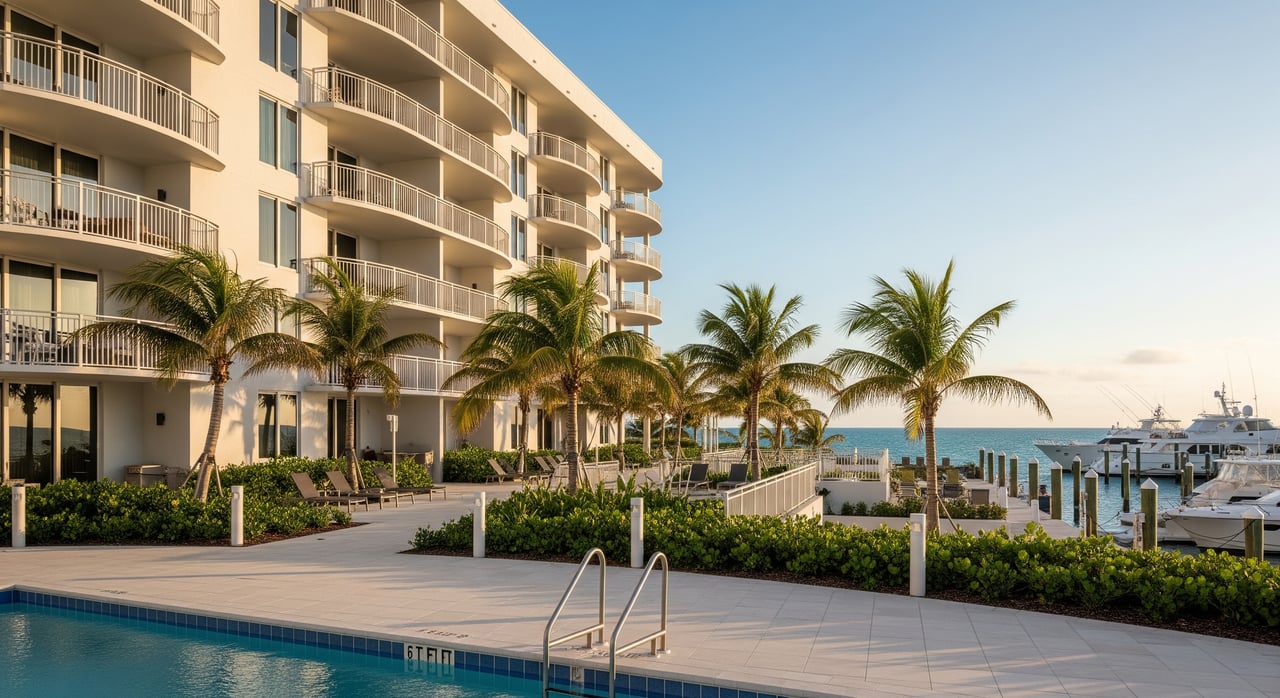
Florida Condo Reserves for Pompano Beach Buyers Explained
December 4, 2025
December 4, 2025
Buying a condo in Pompano Beach is exciting, but your real monthly cost is more than a mortgage and HOA dues. Reserves, milestone inspections, and special assessments can change your budget and even your financing options. If you understand how these pieces work in Florida, you can buy with more confidence and fewer surprises. This guide breaks it all down and shows you exactly what to review before you make an offer. Let’s dive in.
Florida condominiums are governed by the Florida Condominium Act, often called Chapter 718. You can find statute text on the Florida Legislature site by searching the Florida Condominium Act (Chapter 718, Florida Statutes). The Florida Department of Business and Professional Regulation oversees condos statewide and publishes consumer information and forms through the Florida DBPR condominium division.
Local governments, including Broward County and the City of Pompano Beach, handle building codes, permits, and inspection enforcement. After the 2021 Surfside tragedy, state and local rules increased scrutiny of older buildings, especially on structural safety. You should plan to check with Broward County building services for any local inspection requirements or records tied to your prospective building.
Reserve funds are set aside by the association for major repairs and future replacement of big-ticket items. Think roof replacement, exterior painting, structural repairs, pool resurfacing, and other building systems that wear out over time. Healthy reserves reduce the chance of surprise special assessments and support stable property values.
Associations typically budget for reserves each year, sometimes using a professional reserve study to guide funding levels. Florida law addresses reserve accounting and disclosures, and associations provide reserve information in resale or estoppel certificates. You have the right to review budgets, financials, reserve balances, and certain records before you close.
When you review a condo, look for practical signs that reserves are on track:
Low reserves often lead to special assessments, tighter lender scrutiny, and potential insurance challenges. If you are an investor, reserve shortfalls can hit cash flow and reduce returns when a project needs work.
In Florida, many older multiunit buildings face required structural or milestone inspections. These inspections are typically completed by licensed engineers and focus on structural integrity and major repair needs. Local governments set timing and reporting rules, and they may require follow-up plans if deficiencies are found.
For a Pompano Beach purchase, confirm whether the association has completed any required milestone inspections. Ask for engineering reports, permits, meeting minutes, and any budget plans tied to repairs. You can also verify local rules and records with Broward County building services, and check association communications for updates on timelines and funding.
A special assessment is a charge the association levies in addition to regular dues. It helps cover unplanned expenses, large repairs, or projects when reserves and the operating budget are not enough. Common triggers include structural issues, damage, insurance shortfalls, or big capital projects.
The process for approving an assessment depends on the association’s governing documents and Florida law. Boards may approve assessments, sometimes with a member vote, and some associations borrow funds for large projects. Loans usually show up as ongoing debt-service assessments until paid off.
Here is a simple way to model cost:
Example: If your share is $12,000 and the association offers a 24-month plan, your added monthly cost is $12,000 divided by 24, which equals $500 per month, plus any interest the association charges.
Lenders will review project health before approving your mortgage. Many loan programs look at reserve funding, delinquency rates, pending assessments, insurance coverage, and litigation. If a condo project falls outside program guidelines, certain loans may not be available until issues are resolved. Read more about program standards at HUD condo project approval, Fannie Mae condo project standards, and Freddie Mac condominium requirements.
Insurance costs also affect association budgets and your dues. The master policy’s coverage limits and deductibles matter, especially in coastal markets where premiums can rise. For statewide updates and consumer guidance on property insurance trends, check the Florida Office of Insurance Regulation. Ask for the association’s master policy declarations and talk with your insurance agent about potential coverage gaps.
These steps help confirm a building’s inspection status and whether funding plans are in place.
If reserves are healthy and milestones are up to date, you reduce your risk of a large surprise bill. If reserves are thin and big projects are coming, price and terms should reflect that reality. Work with your lender early to confirm project eligibility and budget in a cushion for assessments.
When you narrow down buildings, compare their reserve trajectory and inspection results, not just list price and dues. A condo with stable reserves and a clear plan can be the better value over time, even if dues are slightly higher today.
You can buy a Pompano Beach condo with confidence when you know how reserves, milestone inspections, and special assessments affect both your payment and your financing. Ask for the right documents, read them closely, and model your budget across different scenarios. If you want a local, consultative partner to help you review association health and plan a smart offer, connect with Matthew Heinz. Schedule a Free Consultation.
Stay up to date on the latest real estate trends.



Get assistance in determining current property value, crafting a competitive offer, writing and negotiating a contract, and much more. Contact him today.